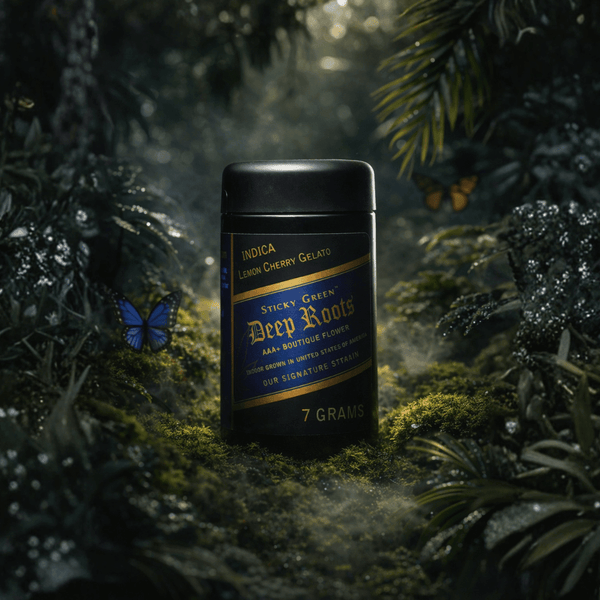
What is THC? How Long Does THC Stay in Your Body?
Explore the effects and benefits of THC and cannabinoids. Learn how they interact with your body and their potential therapeutic uses. Read more now!

THC (Delta-9-tetrahydrocannabinol) is the main cannabinoid causing psychoactive effects in cannabis. Delta-9-THC is the main psychoactive cannabinoid in cannabis. Cannabis plants produce at least 120 identified phytocannabinoids.
This guide is for anyone curious about THC, its effects, and how long it stays in the body, including those facing drug testing or interested in cannabis science. Understanding THC is important for making informed decisions about cannabis use, health, and legal compliance.

Learn what THC is, how long it stays in your body, how the body processes it, and the factors that affect how long it remains detectable.
Understanding THC From the Cannabis Plant: What It Is and How It Affects the Body
THC (Delta-9-tetrahydrocannabinol) is the main cannabinoid causing psychoactive effects in cannabis. Delta-9-THC is the main psychoactive cannabinoid in cannabis. Cannabis plants produce at least 120 identified phytocannabinoids, but THC is the compound most commonly associated with the psychoactive effects people experience after consuming certain cannabis products.
Once THC enters the body, it interacts with a network known as the endocannabinoid system. THC mimics natural neurotransmitters and alters brain function by binding with specific receptors within this system, influencing how certain signals are transmitted and processed. This can cause cognitive impairment and mood changes.
Modern cannabis has increasing THC levels averaging up to 15%, which can intensify its effects compared to past decades.

The way THC affects the body can depend on several factors, including the amount consumed, the method of consumption, and individual biological differences. Because THC is processed through the body's metabolic systems, the effects and duration of those effects may vary from one person to another. The effects of cannabis can also include temporary cognitive impairment and changes in a person's mood.
Understanding THC and how it affects the body provides important context for discussions about cannabis products, cannabinoid content, and drug testing. Recognizing how THC interacts with the body can help support a clearer understanding of its role within the broader cannabis landscape and how it is evaluated in different settings.
How THC Travels Through Your System After Use
Understanding how THC travels through your system after use begins with recognizing that it moves through several biological stages, including absorption, distribution, metabolism, storage, and elimination.
The way THC is processed can vary based on how it is consumed, individual body chemistry, and other factors that influence cannabinoid metabolism, including whether someone is smoking THCA and converting it to THC.
Absorption Into the Body
-
After use, THC is absorbed into the body and enters the bloodstream.
-
The speed and efficiency of absorption can differ depending on the method of consumption, such as inhalation, ingestion, or other delivery methods.
-
Smoking delivers THC to the bloodstream faster than edibles.
-
Inhalation produces effects almost immediately; edibles take longer to kick in.
Distribution Throughout the System
-
Once THC enters the bloodstream, it is transported throughout the body.
-
During this stage, the compound reaches various tissues and organs as it circulates through normal biological pathways.
Metabolic Breakdown
-
As THC continues to move through the body, it undergoes metabolic processing.
-
Natural metabolic functions gradually break down THC into different compounds, which may remain in the body for varying lengths of time.
Temporary Storage in Body Tissues
-
Some THC-related compounds can be temporarily stored in body tissues, including fatty tissues, before being slowly released and fully removed.
-
THC and CBD are both stored in the body's fat.
-
THC is stored in body fat and released into the bloodstream.
-
The extent of this storage may differ from person to person and can influence how long THC remains detectable.
Elimination Through Natural Processes
-
Over time, the body works to eliminate THC and its metabolic byproducts.
-
This occurs through normal biological processes that help remove substances from the system.
Factors That Affect THC Movement
The way THC travels through the body is not identical for everyone. Various personal and physiological factors can influence how quickly it is absorbed, processed, stored, and eliminated.
Key Factors That May Affect THC Processing
-
Individual metabolism
-
Method of consumption
-
Frequency of use
-
Body composition
-
Hydration levels
-
Overall health status
-
Physical activity levels
-
Product potency
-
Personal biological differences
Overall, THC follows a natural path through the body that includes absorption, circulation, metabolism, storage, and elimination. While the timeline and processing rate can vary among individuals, understanding these general stages provides a clearer picture of how THC travels through the system after use.
What Determines How Long THC Stays in Your Body?
Understanding what determines how long THC stays in your body involves recognizing that THC is processed differently from person to person. Various biological, lifestyle, and usage-related factors can influence how quickly THC and its metabolites are broken down and eliminated.

Factors Influencing THC Retention
-
THC may clear faster in infrequent users, with a half-life of about 1.3 days, but in frequent users it can last much longer, with a half-life of roughly 5 to 13 days.
-
Frequency of Use: People who use THC more often may retain THC metabolites in their bodies longer than those who use it occasionally, especially with regular or heavy cannabis use.
-
Amount Consumed: Higher amounts of THC may lead to a greater buildup of cannabinoids, which can take longer for the body to process and eliminate.
-
Body Composition: THC is stored in fat tissues, so differences in body composition may influence how long it remains detectable.
-
Metabolic Rate: Individuals with faster metabolisms may process and eliminate THC-related compounds more quickly than those with slower metabolic rates.
-
Method of Consumption: The way THC is consumed, such as through inhalation or ingestion, can affect how it is absorbed and processed by the body.
-
Hydration and Lifestyle Factors: Hydration levels, physical activity, and overall lifestyle habits may play a role in how efficiently the body processes THC metabolites.
THC Detection Windows in Drug Tests: Blood, Urine, Saliva, and Hair Test Analysis
Different drug testing methods can detect THC for varying periods of time depending on the type of sample collected, an individual's metabolism, frequency of use, body composition, and other personal factors. Because each test measures THC or its metabolites differently, detection windows can vary significantly from one testing method to another.
In many situations, THC from marijuana products such as flower, thc drinks, edibles, pre-rolls, and vape products from premium cannabis brands like Sticky Green may be detectable through one or more of these testing methods. If you're wondering how long weed stays on a drug test, THC can remain detectable for days to weeks depending on the test type and patterns of marijuana use.

-
THC can show up on drug tests for weeks after use.
-
THC can be detected in urine for several days after use.
Comparison of Common THC Testing Methods
|
Test Type |
Sample Used |
General Detection Window |
Common Use |
Key Characteristic |
|---|---|---|---|---|
|
Urine Test |
Urine sample |
Can detect THC metabolites for varying periods depending on usage patterns |
Workplace and pre-employment screening |
Widely used and cost-effective |
|
Saliva Test |
Oral fluid sample |
Generally focuses on more recent THC exposure |
Roadside and recent-use screening |
Simple, non-invasive collection |
|
Blood Test |
Blood sample |
Often associated with recent THC presence in the body |
Medical, legal, or specialized testing |
Measures substances circulating in the bloodstream |
|
Hair Test |
Hair sample |
Can reflect THC exposure over an extended period |
Long-term screening programs |
Provides a broader historical record of use |
Factors That May Influence THC Detection
-
Frequency of cannabis use
-
Individual metabolism
-
Body fat composition
-
THC concentration in the product used
-
Method of cannabis consumption
-
Hydration and overall health factors
-
Time elapsed since last use
-
Type of drug test performed, since THC concentrations in blood are highly time-sensitive and can rise quickly after inhalation before declining within a few hours
Why Detection Windows Differ
Each testing method looks for THC or its metabolites in a different biological sample. Some tests are better suited for identifying recent exposure, while others can provide information about a longer history of use. As a result, detection windows are not identical across blood, urine, saliva, and hair testing methods.
Overall, understanding the differences between THC testing methods can help explain why detection windows vary and why certain tests are chosen for specific workplace, legal, or compliance-related situations.
Why THC Remains Longer for Some People Than Others in the Long Term
Understanding why THC remains longer for some people than others begins with recognizing that the body processes and stores cannabinoids differently from person to person. Several biological and lifestyle-related factors can influence how long THC stays detectable in the system.
-
Frequency of THC Use: Regular THC use may lead to a greater accumulation of cannabinoids in the body, which can take longer to clear compared to occasional use, and repeated heavy use may increase the risk of psychological dependence while affecting physical and mental health over time.
-
Amount of THC Consumed: Higher THC intake can increase the amount of cannabinoid compounds the body needs to process and eliminate over time.
-
Individual Metabolism: Metabolic rate varies from person to person and can influence how quickly THC is broken down and removed from the body.
-
Body Composition: THC can be stored in body fat, so differences in body composition may affect how long it remains present in the system.
-
Age and Overall Health: General health and age-related factors can influence the body's natural processes involved in metabolizing and eliminating substances.
-
Method of Consumption:CBD products, smoking cannabis, vaping, and using THCA disposable vape products, as well as consuming THC-infused products, may result in different absorption and processing patterns within the body, and some methods may also raise lung health concerns or affect cardiovascular responses such as blood pressure.

In some discussions of chronic exposure, long term cannabis use has also been associated with amotivational syndrome, and higher-potency formats such as THCA dabs and concentrates may contribute to greater overall THC exposure when used frequently.
Can You Speed Up the Elimination of THC From Your Body?
Many people wonder whether it is possible to remove THC from the body more quickly. While the body naturally breaks down and eliminates THC over time, there is no guaranteed method that can instantly accelerate this process. If you have questions about THC use, testing, or your overall health, speak with a healthcare professional instead of relying on detox claims.
The rate at which THC leaves the body is largely influenced by individual biological factors and patterns of use.
-
Natural Metabolism: The body relies on its natural metabolic processes to break down THC and its byproducts. These processes occur at different rates from person to person.
-
Staying Hydrated: Maintaining normal hydration supports overall bodily functions, but drinking excessive amounts of water does not instantly remove THC from the body.
-
Regular Physical Activity: Exercise contributes to general health and metabolic activity, though its direct impact on THC elimination can vary among individuals.
-
Balanced Nutrition: A well-balanced diet supports normal body functions and overall wellness, which may help maintain healthy metabolic processes.
-
Adequate Sleep and Recovery: Quality sleep allows the body to perform many natural restorative functions that contribute to overall health and metabolism.
-
Time Remains the Primary Factor: Regardless of lifestyle habits, the most significant factor in THC elimination is time. The body needs sufficient time to naturally process and remove THC metabolites.
-
Beware of Quick-Fix Products: Products that claim to instantly cleanse THC from the body often lack reliable scientific support and may not produce the advertised results.
-
Individual Results Vary: The speed of THC elimination can differ based on factors such as frequency of use, amount consumed, metabolism, body composition, and overall health.
Common Myths About THC Retention and Drug Testing
Many misconceptions surround THC retention and drug testing. While people often rely on advice found online or through word of mouth, THC detection is influenced by biological and testing-related factors rather than quick fixes or popular claims.
Myth: THC Leaves Everyone’s Body at the Same Rate
-
THC does not remain in every person's body for the same amount of time. Detection periods can vary significantly between individuals.
-
Metabolism differs from person to person
-
Body composition can influence retention
-
Frequency of use affects detection times
-
Myth: Drinking Large Amounts of Water Removes THC
-
Hydration is important for overall health, but simply drinking excessive water does not instantly eliminate THC-related compounds from the body.
-
Water does not rapidly remove stored metabolites
-
Detection depends on biological processing
-
Testing methods may account for diluted samples
-

Myth: Exercise Immediately Clears THC From the Body
-
Physical activity supports general wellness, but it does not guarantee that THC-related markers will disappear before a test.
-
THC retention is influenced by multiple factors
-
Exercise does not provide immediate results
-
Detectable compounds may remain despite activity levels
-
Myth: All Drug Tests Look for the Same Things
-
Different testing methods are designed to analyze different types of biological samples.
-
Urine, blood, saliva, and hair tests vary
-
Detection windows differ by test type
-
Results depend on the screening method used
-
Myth: A Negative Home Test Guarantees a Negative Lab Result
-
Home testing products can provide preliminary information, but laboratory testing may use different procedures and thresholds.
-
Testing sensitivity can vary
-
Laboratories may perform additional analysis
-
Confirmation testing may be used when necessary
-
Understanding the Facts About THC Detection
-
Detection periods vary among individuals
-
Test type influences what can be detected
-
Biological factors play a major role
-
Popular shortcuts are often based on misconceptions
Understanding the realities of THC retention can help separate myths from facts and provide a clearer picture of how drug testing works.
Conclusion
Understanding THC and how it behaves in the body helps clarify why its effects and detection times vary so widely. It is a compound that interacts with the body’s natural systems and is processed over time through metabolism and elimination. Because of this, both its effects and presence in the body are not the same for everyone.
The length of time THC stays in the body depends on several personal and usage-related factors. These include frequency of use, body composition, metabolism, and the type of product consumed. Testing methods also play a major role in determining detectability.

Drug testing does not measure THC in a single universal way. Instead, different tests look for specific metabolites in different biological samples like urine, blood, saliva, or hair. This is why detection windows can vary so significantly across testing methods, including in states like Texas and Florida, where understanding THCA legality in Florida can also shape how products are regulated and tested.
Overall, there is no single fixed timeline for THC elimination from the body. It is a gradual process influenced mainly by biology and time rather than quick solutions. Understanding these factors helps provide a clearer and more realistic view of THC retention and testing.
FAQs
Is THC the same as CBD?
No, THC and CBD are different cannabinoids found in cannabis.
THC produces psychoactive effects, while CBD is non-intoxicating and does not cause a “high.” Legally, THC remains federally restricted, while CBD with less than 0.3% THC is legal. CBD is also approved to treat rare forms of epilepsy.
Why do different cannabis products feel different even with THC?
The effects vary due to THC concentration, product type, and additional cannabinoids, as well as differences between various cannabis product types and strains.
Terpenes and formulation also influence how strongly and quickly effects are felt.
Can THC affect memory or concentration temporarily?
Yes, THC can temporarily impact short-term memory and focus.
These effects usually depend on dose and individual sensitivity.
Does the way THC is consumed change its effects?
Yes, inhalation usually produces faster effects than edibles or other forms.
Edibles take longer to act but may last longer in duration.
Are THC effects and withdrawal symptoms the same for beginners and regular users?
No, beginners often feel stronger effects from smaller amounts.
Regular users may develop tolerance over time, reducing intensity, and repeated marijuana use can raise the risk of cannabis use disorder. About 30% of marijuana users may develop a use disorder.
Can THC interact with other substances or medications?
Yes, THC may interact with certain medications, alcohol, or other drugs, and many brands address related concerns in their THC and product FAQ pages.
These interactions can change how the body responds to both substances, so combining them may alter effects and risks in ways that matter for substance use decisions.
Does age influence how THC affects the body?
Yes, age can influence sensitivity and processing of THC.
Younger and older individuals may experience stronger or longer-lasting effects.
Is THC naturally produced only in cannabis plants?
Yes, THC is primarily found in cannabis species.
It is not naturally produced by the human body like endocannabinoids are.
Can secondhand exposure to THC have any effect?
In most cases, secondhand exposure is minimal and not intoxicating. However, extremely enclosed environments with heavy smoke may have minor effects in rare cases, which is different from using cannabis directly because smoking delivers THC to the bloodstream much faster than ingestion. Repeated smoke exposure may also raise concerns about lung health, and more research is still needed to fully understand those risks.
Do all cannabis strains contain the same level of THC?
No, THC levels vary widely between strains and products.
Some strains are bred for high THC content while others contain lower levels. Some thc products are also used for symptom relief, including pain and insomnia, though their effects can be more intoxicating, and many are available through specialized cannabis product collections. In medical use, cannabinoids may help nausea and vomiting; for example, nabilone is FDA approved to treat nausea from chemotherapy, and dronabinol is approved to stimulate appetite in AIDS patients. Cannabinoids are also used in some medical settings for certain health conditions such as multiple sclerosis. Regulated medical cannabinoids are different from synthetic cannabinoids, which can be unpredictable or dangerous.