Is THC Legal in Tennessee? Your 101 Guide
Learn how Tennessee regulates THC products, including hemp-derived THC, cannabis laws, consumer access, and key considerations before purchasing or using THC.

Is THC Legal in Tennessee?
Learn how Tennessee regulates THC products, including hemp-derived THC, cannabis laws, consumer access, and key considerations before purchasing or using THC.
Understanding THC and Its Role in Cannabis Products
Understanding THC begins with recognizing that it is one of the most widely discussed cannabinoids found in the cannabis plant. THC, or tetrahydrocannabinol, is a naturally occurring compound that plays a significant role in many cannabis-derived products available in today's market.
THC is one of many cannabinoids produced by cannabis plants. These cannabinoids interact with the body's endocannabinoid system, a network of receptors involved in regulating various biological functions. THC's interaction with these receptors helps distinguish it from other cannabis compounds and contributes to its prominence in cannabis-related products.

The way THC is experienced can vary depending on several factors, including the product format and method of consumption. THC is commonly found in gummies, beverages, tinctures, capsules, vape products, concentrates, and other cannabis-derived items. Each product type may have unique characteristics that influence how it is used and perceived by consumers.
As the cannabis industry continues to expand, understanding THC and its role in cannabis products can help consumers make more informed decisions. Whether evaluating product options, reviewing labels, or learning about cannabis regulations, a basic understanding of THC provides valuable context for navigating the evolving cannabis landscape.
Is THC Legal in Tennessee? A Look at the Current Framework
Understanding Tennessee's THC framework involves recognizing that the legal status of THC products can depend on factors such as product source, THC content, product category, and applicable state regulations.
Consumers should familiarize themselves with these considerations before purchasing, possessing, or using THC products, including newer product categories such as THCA dabs, which may be subject to different legal interpretations depending on how they are derived and regulated.
Hemp-Derived THC Products
Certain THC products may be regulated differently depending on whether they are derived from hemp.
-
Product classification can affect legal status
-
Hemp-derived products may be subject to specific requirements
-
Compliance standards can influence market availability

Product Sales and Retail Requirements
THC products are often sold through businesses that must follow applicable regulatory guidelines.
-
Retailers may be required to meet licensing or compliance standards
-
Product information should be available to consumers
-
Sales practices may be subject to regulatory oversight
Age Verification Requirements
Some THC products may only be available to individuals who meet minimum age requirements.
-
Age restrictions may apply to certain products
-
Identification may be requested during purchase
-
Retail policies can vary by business
THC Content and Product Compliance
The amount of THC contained in a product may influence how it is regulated.
-
THC concentration can affect product classification
-
Testing procedures may be used to verify compliance
-
Labeling requirements may provide cannabinoid information
Product Categories and Regulations
Different THC product formats may be subject to different rules and standards.
-
Regulations can vary by product type
-
Manufacturing requirements may differ
-
Distribution practices can depend on product classification
Consumer Access and Responsibilities
Consumers should understand the requirements associated with purchasing and possessing THC products.
-
Access may depend on applicable regulations
-
Consumers should review product information carefully
-
Compliance responsibilities may vary by product
State and Federal Regulatory Considerations
THC regulations often exist within both state and federal legal frameworks.
-
Multiple regulatory systems may apply
-
Requirements can differ depending on the product
-
Businesses and consumers should remain informed
The Difference Between Legal and Restricted THC Sources
Understanding the difference between legal and restricted THC sources begins with recognizing that not all THC products are regulated in the same way. The legal status of a THC product often depends on where the THC originates, how the product is manufactured, and the regulatory framework that applies to its distribution and sale.
Consumers may encounter THC products derived from different cannabis sources, and those sources can influence product availability, labeling requirements, compliance standards, and purchasing options. Because regulations can vary, understanding the distinction between legal and restricted THC sources can help consumers better navigate the marketplace.

Comparison of Legal and Restricted THC Sources
|
Category |
Legal THC Sources |
Restricted THC Sources |
|
Source of THC |
Derived from sources that meet applicable regulatory requirements |
Derived from sources subject to additional restrictions |
|
Regulatory Status |
Falls within recognized legal frameworks |
May be limited by specific regulations |
|
Product Availability |
Commonly available through authorized retail channels |
Availability may be restricted or controlled |
|
Distribution |
Distributed according to applicable compliance standards |
Distribution may be subject to additional limitations |
|
Consumer Access |
Access depends on applicable legal requirements |
Access may be limited to specific circumstances |
|
Labeling Requirements |
Must meet established labeling standards |
Subject to separate regulatory requirements |
|
Compliance Standards |
Products typically undergo compliance verification |
Additional oversight may apply |
|
Market Presence |
Commonly found in compliant consumer markets |
Availability may vary depending on regulations |
THC Product Categories Available in Tennessee
THC products in Tennessee are generally categorized based on their source, formulation, and compliance with state and federal guidelines. These categories help define how products are made, sold, and used.
Hemp-Derived THC Products
-
Made from legally defined hemp plants
-
Often available in oils, gummies, and beverages
-
Must meet THC limit requirements
THC Gummies and Edibles
-
Include candies, chocolates, and infused snacks
-
Measured for controlled THC content
-
Popular for easy and discreet use
THC Oils and Tinctures
-
Liquid forms taken under the tongue or mixed with food
-
Allow flexible dosing options
-
Often labeled with precise cannabinoid levels
THC Beverages
-
Includes THC drinks such as seltzers and infused waters
-
Marketed as alternative consumption options
-
Effects may vary based on formulation
Vape-Based THC Products
-
Includes cartridges and disposable vape pens
-
Designed for inhalation use
-
May be subject to stricter handling rules
Topical THC Products
-
Applied directly to skin like creams or balms
-
Not typically used for psychoactive effects
-
Often used in wellness-related applications

Raw or Smokable Hemp Products
-
Includes hemp flower and similar plant material
-
Used in traditional smoking methods
-
Must comply with legal cultivation standards
Synthetic or Alternative Cannabinoid Products
-
May include lab-modified or converted cannabinoids
-
Regulatory status can vary widely
-
Often subject to evolving legal interpretation
Consumer Rights and Responsibilities Regarding THC
Understanding consumer rights and responsibilities regarding THC involves recognizing that access to these products is shaped by legal regulations, product standards, and individual accountability. Consumers play an important role in ensuring that THC products are used and purchased in compliance with applicable laws and guidelines.
Right to Access Legally Compliant Products
Consumers may have the right to purchase THC products that meet established legal and regulatory requirements. This includes products that are properly labeled, tested, and sold through authorized channels that follow applicable state rules.
Responsibility to Verify Product Legality
It is the consumer’s responsibility to ensure that the THC product they are purchasing or using is legally permitted within their jurisdiction. This includes checking product source, THC content, and compliance with relevant regulations.
Awareness of Age and Identification Requirements
Access to THC products is typically restricted to individuals who meet minimum age requirements. Consumers are expected to provide valid identification when purchasing these products and comply with age-related restrictions set by retailers and regulators.
Understanding Product Information and Labeling
Consumers have access to important product information through labeling, packaging, and testing details. It is their responsibility to review this information carefully to understand THC content, ingredients, and usage instructions before consumption.
Compliance With Usage and Possession Rules
Consumers must follow laws related to where and how THC products can be used or possessed. This includes awareness of restrictions in public areas, workplaces, and other regulated environments where THC use may be limited.
Responsibility to Use Products Safely
Using THC products responsibly involves understanding dosage, potential effects, and individual tolerance levels. Consumers are expected to approach usage with awareness of how different products may affect them.
Awareness of Legal Consequences
Consumers should understand that non-compliance with THC laws or regulations may result in legal consequences. Being informed about local and state rules helps reduce the risk of unintentional violations.
Staying Informed About Regulatory Changes
THC regulations can change over time, and consumers are responsible for staying updated on current laws. This helps ensure continued compliance and informed decision-making when purchasing or using THC products.
Conclusion
Understanding whether THC is legal in Tennessee requires looking at how the state defines, regulates, and classifies different THC products. The legal status is not based on a single rule but instead depends on factors such as product source, THC content, and how the product is manufactured and distributed within existing regulatory frameworks.
Tennessee’s approach to THC regulation also reflects the broader distinction between hemp-derived and other cannabis-related products. These differences influence how products are labeled, tested, and made available to consumers, which makes it important to understand the category a product falls into before purchase or use.

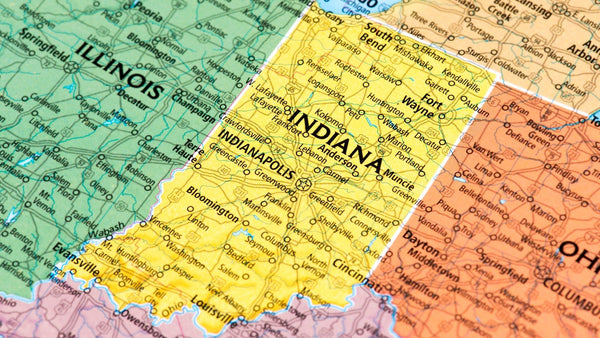
For consumers, awareness and responsibility play a key role in navigating THC products safely and legally. Checking product information, understanding age requirements, and following usage and possession rules all contribute to making informed decisions, especially as regulations can vary from state to state, including places like Indiana.
As THC regulations continue to evolve, staying informed is essential. Laws and guidelines may change over time, which can affect product availability and compliance requirements. Keeping up with current rules helps consumers and businesses adapt responsibly within Tennessee’s changing legal landscape.
FAQS
Can Visitors or Tourists Buy THC Products in Tennessee?
Tourist access may be limited and depends on the type of THC product and local retail regulations.
Are THC Products in Tennessee Available for Online Delivery?
Online availability depends on the seller’s compliance with state rules and product classification.
Can You Travel Within Tennessee With THC Products?
Transporting THC products within the state may be subject to specific possession and usage regulations.
Do THC Products Expire or Lose Potency Over Time?
Yes, THC products can degrade over time, especially if not stored under recommended conditions.
Can Employers in Tennessee Restrict THC Use?
Employers may enforce workplace policies that limit or prohibit THC use regardless of legality.
Are THC Products in Tennessee Required to Be Lab Tested?
Many regulated THC products undergo testing to verify cannabinoid content and product safety standards.
Can THC Products Be Used in Public Places?
Public use of THC products may be restricted depending on local laws and property rules.
Are THC Products Safe to Combine With Alcohol or Other Substances?
Combining THC with alcohol or other substances may increase effects and is generally discouraged.
Can THC Products Be Returned or Exchanged After Purchase?
Return and exchange policies vary by retailer and are often limited for consumable products.
Do Different Counties in Tennessee Have Different THC Rules?
Yes, local jurisdictions may have additional rules that affect how THC products are regulated or enforced.