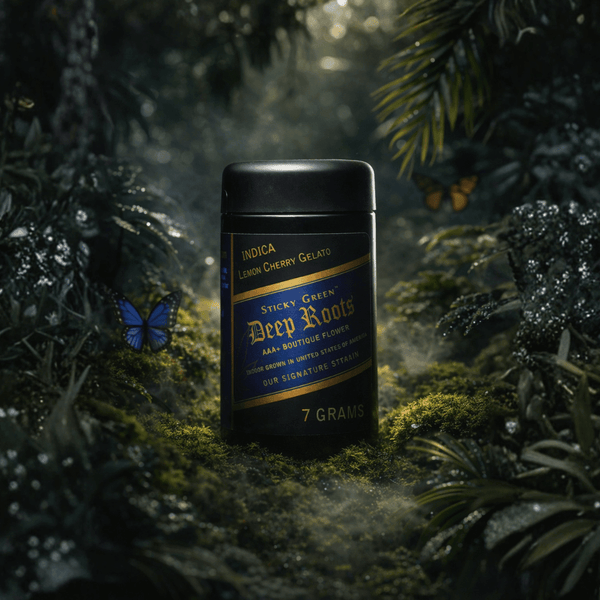
Is Indica a Downer? Exploring Its Impact on Energy
Explore if indica is a downer, the strain influence, energy levels, and more about indica strain in this detailed guide.

Understand the effects of Indica on mood, focus, and daytime versus nighttime use patterns
What is Indica Downer?
Indica Downer Meaning: “Indica downer” is a casual term used to describe how Indica cannabis strains are often associated with calming, sedating, and body-heavy effects rather than stimulation
-
Indica Profile: Short, bushy cannabis plants with relaxing effects
-
Relaxation Response: Often causes calmness and lower energy
-
Sedative Effects: May lead to sleepiness or couch-lock
-
Body Impact: Creates body heaviness and muscle relaxation
-
Evening Use: Commonly used at night or for rest
-
Mood Effects: Can reduce stress and motivation for activity
-
Not a True Downer: Relaxing, but not a clinical depressant
-
Varied Effects: Results depend on strain, dose, and tolerance
Understanding Indica Cannabis Strains
Understanding Indica Cannabis Strains begins with recognizing them as one of the primary categories of cannabis, commonly associated with calming and body-focused effects. Indica strains are often used in the evening due to their reputation for promoting relaxation and physical ease. Their overall profile is shaped by unique cannabinoid and terpene combinations.
Indica strains are typically linked with higher levels of sedating effects compared to other cannabis types. This is why they are often chosen for rest, stress relief, and sleep support. Their influence is more physical than mental, making them distinct in user experience.

At a structural level, Indica plants contain similar cannabinoids to other cannabis strains, but the balance and expression of these compounds can differ. This variation contributes to their characteristic “body high” rather than an energizing or cerebral effect.
From a functional perspective, Indica strains interact with the endocannabinoid system in a way that often slows down physical activity and promotes calmness. This makes them more suitable for winding down rather than staying active or focused.
Common Characteristics of Indica Strains
-
Often produces sedative, body-focused effects
-
Preferred for nighttime or rest periods
-
May support sleep and stress relief
-
Less stimulating compared to other cannabis types
How Indica Affects the Brain and Body
Best Indica strains influence the body and brain by interacting with the endocannabinoid system, often producing calming and sedative effects. These effects vary depending on dosage, terpene profile, and individual tolerance, but the overall experience is typically associated with relaxation and reduced stimulation.:
-
Commonly associated with relaxa
Receptor Interaction
-
Indica compounds mainly bind with CB1 and CB2 receptors in the nervous system
-
This interaction helps regulate mood, pain, and relaxation responses
Relaxation Response
-
Indica is known for producing a calming effect on the brain
-
It often reduces mental overactivity and stress levels
Body Sedation
-
Physical relaxation is a common effect of Indica strains
-
Muscle tension and restlessness may noticeably decrease
Mood Regulation
-
Indica may promote a sense of calm and emotional stability
-
It can help reduce anxiety-like feelings in some users
Cognitive Effects
-
Indica can slow down thought processing and reaction time
-
This is why it is often used in evening or rest periods
Sleep Support
-
Many users report drowsiness or improved sleep onset
-
It is commonly associated with nighttime use patterns
Why Indica is Associated with Relaxation
Indica strains are widely known for their calming and body-focused effects, often making them a popular choice for relaxation and evening use. Their chemical profile and how they interact with the body can influence mood, energy levels, and physical sensations, which is why they are commonly associated with a more sedative experience compared to other cannabis types
-
Indica strains often contain high myrcene levels linked to calming effects.
-
Indica commonly promotes strong body relaxation and physical calmness.
-
It may reduce mental alertness and create a quieter mind.
-
Many users prefer Indica during the evening or nighttime.
-
Indica is often associated with easing muscle tension and stiffness.
-
It may help lower stress and encourage emotional relaxation.
-
Strong Indica strains can produce sedative-like drowsiness.
-
Indica usually does not increase energy or focus.
Energy Levels and Sedative Effects of Indica
Energy Levels and Sedative Effects of Indica begin with understanding how this cannabis type interacts with the body’s endocannabinoid system, influencing both physical energy and mental alertness in a way that often leads to calmness and sedation.
These effects are shaped by its terpene profile, cannabinoid balance, including how different product forms such as THCA gummies are consumed, and how the brain processes relaxation signals.
A beginner-friendly insight could be:
-
“Low stimulation, high relaxation response”
Indica strains are generally associated with reduced energy output and increased physical calm, making them more suitable for rest and recovery rather than active tasks. -
“Energy drop vs body ease balance”
Instead of boosting motivation or focus, Indica tends to lower perceived energy levels while increasing bodily relaxation and comfort.
From a physiological perspective, Indica strains may influence neurotransmitter activity in a way that promotes slower neural signaling, which can result in drowsiness, reduced alertness, and a calming mental state. This is why users often report feeling heavy, grounded, or sleepy after consumption.

Their sedative effects are also linked to higher levels of certain terpenes like myrcene, which are commonly associated with muscle relaxation and calming sensations. This combination can contribute to the well-known “couch-lock” effect, where physical movement feels less appealing.
In terms of energy impact, Indica does not typically stimulate dopamine-driven alertness the way more uplifting strains might. Instead, it shifts the body toward rest mode, making it more suitable for nighttime use or situations where recovery and sleep are the goal.
Overall, Indica’s influence on energy and sedation reflects a balance of chemical composition and brain interaction that prioritizes relaxation over stimulation, helping explain its reputation as a calming, sleep-friendly cannabis type.
Indica vs Sativa: Key Differences in Effects
Indica and Sativa are two main cannabis classifications that are commonly associated with different effects on the body and mind. Indica is generally linked with relaxation and physical calmness, while Sativa is known for its uplifting and energizing effects. These differences help users choose strains based on whether they want rest or stimulation.
Indica strains are often preferred for evening use due to their calming and sedative-like properties. They are commonly associated with reducing stress, easing the body, and promoting relaxation. Sativa strains, on the other hand, are typically used during the day because they are linked with increased energy, focus, and creativity.
At a general level, Indica is described as producing a “body high,” while Sativa is more associated with a “head high.” These terms reflect the commonly experienced effects, even though individual responses can vary.
Comparison of Effects: Indica vs Sativa
|
Factor |
Indica |
Sativa |
|
Primary Effect |
Relaxing and sedative |
Uplifting and energizing |
|
Body vs Mind Impact |
Body-focused sensation |
Mind-focused stimulation |
|
Energy Level |
Low energy, calming |
High energy, activating |
|
Best Time of Use |
Evening or night |
Daytime use |
|
Mental State |
Calm, slow, restful |
Alert, creative, focused |
|
Physical Sensation |
Heavy, soothing, relaxing |
Light, active, less sedating |
|
Sleep Influence |
May promote sleep |
Less likely to cause drowsiness |
|
Common Use Purpose |
Rest and relaxation |
Productivity and creativity |
Myths and Misconceptions About Indica Strains
Indica strains are often surrounded by generalizations that simplify their effects, leading to several common misconceptions. While Indica is widely associated with relaxation, its actual effects can vary depending on genetics, dosage, and individual response. Understanding these myths helps provide a more balanced view of how Indica really works.
Myth: Indica Always Causes Sleepiness
Many people believe Indica automatically makes users fall asleep. In reality, while it may promote relaxation, not every strain produces strong sedative effects, and results depend on potency and personal tolerance.
Myth: Indica Has No Mental Effects
Indica is often labeled as purely physical, but it can also influence mood and mental state. Users may experience calmness, stress relief, or mild mental slowing along with physical relaxation.
Myth: Indica Works the Same for Everyone
A common misconception is that Indica affects all users in the same way. In truth, individual body chemistry, experience level, and environment can significantly change how it feels.
Myth: Indica Is Always “Stronger” Than Sativa
Some assume Indica is more potent overall, but strength depends on cannabinoid and terpene profiles rather than strain type alone. Both Indica and Sativa can be strong or mild depending on their composition.
Myth: Indica Is Only for Night Use
Although Indica is often used in the evening, it is not strictly limited to nighttime. Some users may use it during the day for relaxation or stress management without feeling overly sedated.
Myth: All Indica Strains Are Identical
Not all Indica strains produce the same effects. Variations in genetics and cultivation methods can lead to different experiences, even within the same category.
Conclusion
In conclusion, Indica strains are widely associated with relaxation and reduced energy levels, often making them a preferred choice for winding down. Their effects are commonly described as body-focused, promoting calmness and physical ease. This is why they are often linked with evening or rest-time use.
While Indica is sometimes called a “downer,” this is an informal term and does not mean it acts like a medical depressant. Instead, it typically creates a slower, more relaxed state that can influence both mood and alertness. The experience varies depending on strain, dosage, and individual response.

Compared to Sativa, Indica is generally less stimulating and more sedating, while Sativa leans toward energy and mental activity. However, these are broad patterns rather than strict rules. Modern cannabis varieties often blend both effects through hybrid strains.
Overall, Indica’s impact on energy and relaxation highlights its role in promoting rest and stress relief in regions such as Texas and Georgia. It is not universally sleep-inducing, but it is strongly associated with calming sensations across different users and settings, including Texas and Georgia. Understanding these effects helps set realistic expectations about its use.
FAQs
Is Indica a downer in the literal medical sense?
No, Indica is not a clinical “downer” like pharmaceutical depressants. The term is informal and only describes its calming and relaxing feel.
Can Indica affect productivity during the day?
Yes, Indica may reduce alertness and motivation, which can make task-focused work harder. It is generally better suited for low-activity or rest periods.
Does Indica affect everyone in the same way?
No, its effects vary based on tolerance, body chemistry, and strain composition. Some people may feel strong relaxation while others experience mild effects.
Can Indica improve sleep quality for users?
Many users report easier sleep onset after using Indica strains. However, the quality and effectiveness can differ from person to person.
Are all Indica strains equally sedating?
No, sedation levels depend on cannabinoids and terpenes in each strain. Some Indicas are light and relaxing, while others feel much heavier.
Can Indica cause anxiety or discomfort in some cases?
Yes, in higher doses or sensitive users, it may sometimes cause uneasiness or mental fog. Reactions are not always purely calming.
Is it possible to build tolerance to Indica effects?
Yes, regular use can reduce sensitivity over time, making effects feel less intense. This is common with most cannabis types.
Does Indica always lead to “couch-lock”?
Not always, as couch-lock usually occurs with stronger strains or higher doses. Lighter Indicas may only produce mild relaxation instead.