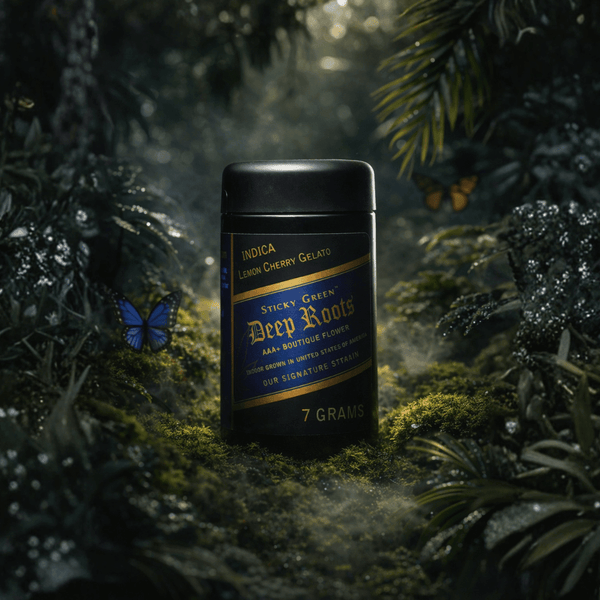
Indica vs. Sativa vs. Hybrids: Cannabis Type Comparison
Explore the key differences between Indica, Sativa, and Hybrid cannabis strains, including their effects, uses, and characteristics.

Understanding Cannabis Strains: Indica, Sativa, and Hybrid Basics
Understanding cannabis strains begins with recognizing that not all cannabis plants produce the same effects. Indica, Sativa, and Hybrid strains are categorized based on their plant structure, chemical composition, and typical user experience. These differences help consumers choose products that align with their needs and preferences.
Laboratory classification is important in distinguishing strain types. While traditional labels were originally based on plant appearance and growing patterns, modern cannabis understanding focuses more on cannabinoid and terpene profiles. These chemical compounds play a key role in how each strain affects the body and mind.

From a general perspective, Indica strains are commonly associated with calming and relaxing effects, often used during rest or nighttime routines. Sativa strains, on the other hand, are typically linked to uplifting and energizing experiences, making them more suitable for daytime use and social activities. Hybrids combine traits from both categories, offering a balanced or customized effect depending on their genetic makeup.
Product forms also influence how these strains are experienced. Whether consumed as flower, edibles, or concentrates, the strain type interacts with the body differently based on potency and method of use. This means the same strain can feel slightly different depending on how it is consumed.
Overall, understanding Indica, Sativa, and Hybrid basics helps users make more informed decisions. By recognizing their general characteristics and how they influence effects, consumers can better select strains that match their lifestyle, tolerance, and desired outcomes.
Indica Strains: Effects, Characteristics, and Common Uses
Understanding Indica strains begins with recognizing their role as cannabis varieties typically associated with calming and relaxing effects. These strains are widely used for evening or nighttime consumption due to their body-focused impact.
A beginner-friendly insight could be:
-
“Body relaxation over mental stimulation”
Indica strains are known for producing a heavier physical effect, often described as a body high, which may help users feel calm and at ease. -
“Short, bushy plant structure”
Indica plants generally grow shorter with broad leaves, which distinguishes them visually from other cannabis types and influences their cultivation environment.
From an effects perspective, Indica strains are commonly linked to deep relaxation, stress relief, and potential sleep support. Many users prefer them for unwinding after a long day, as they tend to reduce physical tension and promote a sense of calm.

In terms of common uses, Best Indica strains are often chosen for nighttime relaxation, managing discomfort, and improving sleep quality. Some individuals also use them to ease anxiety or support recovery after physical activity.
Sativa Strains: Energy, Mood, and Typical Experiences
Sativa strains are a category of cannabis known for their uplifting and energizing effects, often associated with daytime use and mental stimulation. Unlike more calming varieties, Sativa is typically linked with increased focus, creativity, and sociability, making it a popular choice for users seeking an active and engaging experience.
Energy-Boosting Effects
-
Sativa strains are commonly recognized for promoting a sense of energy and alertness.
-
They are often chosen by individuals looking to stay productive, motivated, or mentally active during the day.
Mood Enhancement and Mental Stimulation
-
These strains may contribute to improved mood and a more positive mindset.
-
Users often report feelings of happiness, creativity, and enhanced mental clarity.
Typical User Experience
-
The experience of Sativa strains is generally described as cerebral rather than physical.
-
Instead of heavy relaxation, users may feel mentally stimulated and socially engaged.
Ideal Usage Scenarios
-
Sativa is often preferred for daytime activities such as work, social gatherings, or creative tasks.
-
It is less commonly used for rest or sleep due to its stimulating nature.
Factors Influencing Effects
-
The effects of Sativa can vary based on dosage, individual tolerance, and product potency.
-
Environmental factors and consumption method also play a role in shaping the overall experience.
Balance in Hybrid Contexts
-
While pure Sativa is energizing, many modern products blend it with Indica genetics
-
This can create a more balanced effect profile depending on formulation.
User Sensitivity and Response
-
Not all users experience Sativa the same way, as body chemistry influences response.
-
Some may feel highly energized, while others may experience mild stimulation.
Overall Impression of Sativa Strains
-
Sativa strains are generally associated with uplifted mood and increased mental activity.
-
They are widely used for daytime functionality and creative engagement.

Hybrid Strains: How They Combine Indica and Sativa Traits
Best Hybrid strains are created by crossbreeding Indica and Sativa plants to combine the characteristics of both. This allows users to experience a balanced or tailored effect depending on the strain’s genetic makeup and dominance.
-
Genetic Blending of Indica and Sativa
Hybrids are developed by mixing Indica and Sativa genetics in different ratios. This combination can lean toward Indica-dominant, Sativa-dominant, or a balanced 50/50 structure. -
Balanced Psychoactive Effects
Depending on their composition, hybrids may produce both relaxing and uplifting effects. This makes them versatile for users seeking a middle-ground experience. -
Indica-Dominant Hybrids
These strains tend to provide more body relaxation with mild cerebral stimulation. They are often used for evening relaxation or stress relief.

-
Sativa-Dominant Hybrids
These varieties usually promote mental energy and focus while still offering some physical relaxation. They are often preferred for daytime use. -
Customization of Effects
Hybrids allow breeders to fine-tune effects such as potency, flavor, and duration. This makes them highly adaptable to different user preferences. -
Therapeutic Applications
Hybrids are commonly used in wellness contexts to target multiple symptoms at once, such as pain, anxiety, or fatigue. Their balanced nature supports broader therapeutic use. -
Variability Between Strains
No two hybrid strains are exactly alike, as effects depend on genetics and cultivation methods. This variability makes understanding strain composition important for users.
Key Differences Between Indica, Sativa, and Hybrid Cannabis
Understanding the differences between Indica, Sativa, and Hybrid cannabis strains helps users make informed choices based on desired effects, lifestyle needs, and personal tolerance. Each type has distinct characteristics that influence how it interacts with the body and mind.
Indica Characteristics
-
Indica strains are typically associated with calming and relaxing effects.
-
They are often preferred for nighttime use due to their sedative-like qualities.
Sativa Characteristics
-
Sativa strains are known for their uplifting and energizing effects.
-
They are commonly used during the day to support focus, creativity, and activity.
Hybrid Characteristics
-
Hybrid strains are a blend of Indica and Sativa genetics.
-
They are designed to balance effects, depending on their dominant strain profile.
Effects on Body and Mind
-
Indica generally promotes physical relaxation, while Sativa enhances mental stimulation.
-
Hybrids can provide mixed or tailored effects depending on composition.
Usage Preferences
-
Indica is often chosen for stress relief and sleep support.
-
Sativa is preferred for social, creative, or active settings.
Potency and Variation
-
Sativa strains may feel more cerebral, while Indica feels more body-focused.
-
Hybrids vary widely based on breeder genetics and THC/CBD balance.
Comparison of Indica, Sativa, and Hybrid Cannabis
|
Factor |
Indica |
Sativa |
Hybrid |
|
Primary Effect |
Relaxing, calming |
Energizing, uplifting |
Balanced or mixed effects |
|
Best Time of Use |
Night |
Day |
Anytime (depends on strain) |
|
Body Impact |
Strong physical relaxation |
Light body effects |
Varies (body + mental) |
|
Mental Impact |
Soothing, sedative-like |
Creative, focused |
Depends on dominance |
|
Common Use Purpose |
Sleep, stress relief |
Energy, productivity |
Custom or balanced relief |
|
Growth Pattern |
Short, bushy plants |
Tall, thin plants |
Mixed traits |
|
User Experience |
Deep relaxation |
Alertness and mood boost |
Flexible effects |
|
Strain Flexibility |
Limited variation |
Stimulating profiles |
Highly diverse options |
This comparison highlights that Indica, Sativa, and Hybrid strains each serve different purposes, allowing users to choose based on whether they want relaxation, energy, or a balanced experience.
How Each Cannabis Type Affects the Body and Mind
Understanding how Indica, Sativa, and Hybrid strains affect the body and mind begins with recognizing that each type interacts differently with the body’s endocannabinoid system. Their effects are influenced by cannabinoid and terpene profiles, which shape both physical sensations and mental responses.
Indica Effects on the Body and Mind:
-
Indica strains are commonly associated with calming and relaxing effects on the body.
-
They may promote physical relaxation, stress relief, and a sense of calm, often making them more suitable for evening or rest-focused use.
Sativa Effects on the Body and Mind:
-
Sativa strains are typically linked to uplifting and energizing mental effects.
-
They may enhance focus, creativity, and mood, making them more commonly used during daytime activities.
Hybrid Effects on the Body and Mind:
-
Hybrids combine characteristics of both Indica and Sativa strains.
-
Their effects depend on their genetic balance, offering either balanced relaxation and energy or a more targeted experience.
From a physiological perspective, cannabis types influence neurotransmitter activity, which affects mood, perception, and body sensation. The intensity and direction of these effects can vary based on dosage, tolerance, and individual body chemistry.

It is also important to understand that strain labels alone do not fully determine effects. Growing conditions, cannabinoid levels, and terpene composition all play a role in how each strain is experienced.
Overall, Indica, Sativa, and Hybrid strains impact both mind and body in distinct ways. Choosing between them depends on the desired experience, whether it is relaxation, stimulation, or a balanced effect.
Choosing the Right Cannabis Strain for Your Needs
Choosing the right cannabis strain begins with understanding that different types—Indica, Sativa, and Hybrid—produce distinct effects based on their natural chemical composition. Each strain interacts differently with the body, which directly influences mood, energy levels, and overall experience.
A beginner-friendly insight could be:
-
“Purpose-based selection matters most”
It is important to recognize that strain choice should depend on the desired outcome, whether relaxation, focus, or balanced effects, rather than just name or popularity. -
“Body response varies from person to person”
Even within the same strain type, individual reactions can differ based on tolerance, metabolism, and experience level.
From a functional perspective, Indica strains are often associated with calming and relaxing effects, making them more suitable for evening or rest-focused use. Sativa strains, on the other hand, are commonly linked to uplifting and energizing experiences, which may support daytime activity or creativity.

User experience also depends on factors such as potency, dosage, and method of consumption. A small dose of a strong strain can feel very different from a larger dose of a milder one, highlighting the importance of starting low and adjusting gradually.
Product quality and sourcing are equally important when selecting a strain. Lab-tested and properly labeled products help ensure consistency, safety, and predictable effects, reducing the risk of unexpected experiences.
Ultimately, choosing the right cannabis strain requires awareness of personal needs, intended effects, and responsible use. A thoughtful approach ensures a safer, more controlled, and more satisfying experience tailored to individual preferences.
Conclusion
Indica, Sativa, and Hybrid strains each offer distinct experiences shaped by their natural composition and interaction with the body. Understanding these differences helps users make more informed and intentional choices. This awareness is essential for aligning strain selection with personal needs and expectations.
Indica strains are generally associated with relaxation and physical calm, making them more suitable for rest and recovery. Sativa strains, in contrast, are often linked to mental energy, creativity, and daytime activity. Hybrids combine both effects, offering flexibility depending on their genetic balance.

Individual response plays a major role in how each strain is experienced, including for consumers in Wisconsin. Factors such as dosage, tolerance, product quality, and local product availability can significantly influence outcomes, making careful selection and responsible use an important part of the experience.
Overall, choosing between Indica, Sativa, and Hybrid strains is about understanding desired effects and personal comfort. With the right knowledge, users can better match strains to their lifestyle and goals. A mindful approach ensures a more balanced, safe, and satisfying cannabis experience.
FAQs
Do Indica, Sativa, and Hybrid strains have different THC levels?
Yes, THC levels are not fixed to strain type and can vary widely within Indica, Sativa, and Hybrid strains. Potency depends more on genetics, cultivation, and product quality than the strain category itself.
Are cannabis strains the same everywhere in the world?
No, strain availability and naming can differ depending on region and growers. The same strain name may also show slightly different effects due to cultivation methods.
What role do terpenes play in cannabis strains?
Terpenes are natural compounds that influence aroma, flavor, and overall experience of a strain. They also contribute to how relaxing, uplifting, or balanced a strain feels.
Can cannabis strains expire or lose potency?
Yes, cannabis can degrade over time when exposed to light, heat, or air. This leads to reduced potency and weaker effects compared to fresh products.
Are strain names always scientifically accurate?
Not always, as strain names are often used for branding rather than strict scientific classification. Two products with the same name may still have different effects.
Do Indica or Sativa strains grow faster?
Growth speed depends more on cultivation conditions than strain type alone. However, Indica plants are generally shorter and may have a quicker flowering cycle.
Can the same strain affect two people differently?
Yes, individual body chemistry, tolerance, and mindset can significantly change the experience. This is why effects can vary even with identical strains.
Is it possible to mix different strains together?
Yes, some users combine strains to create a customized effect profile. However, this can make effects less predictable and should be done carefully.