How Is THCA Flower Made? Full Guide
Discover how THCA flower is produced and learn about the genetics and cultivation methods that shape its distinct characteristics and uses.

Discover how THCA flower is produced and learn about the genetics and cultivation methods that shape its distinct characteristics and uses.
Introduction: Understanding the Origin of THCA Flower
THCA flower refers to the raw form of cannabis that naturally contains tetrahydrocannabinolic acid (THCA) before it converts into THC. This form of the plant is kept as close to its natural state as possible, allowing the compound to remain unaltered during harvesting and processing.
In contrast to THC, THCA does not produce psychoactive effects unless it undergoes heat exposure. The purpose of this guide is to explain how THCA flower is developed, starting from the plant’s biological makeup and cultivation methods all the way to the finished flower that retains a strong concentration of THCA.
Producing THCA flower involves a careful cultivation process that begins with selecting the right genetics and continues through controlled growing conditions. Farmers and cultivators focus on maintaining optimal environments so the plant can preserve its natural THCA levels. From seed selection to harvest timing, multiple factors play a role in determining the final quality of the flower.

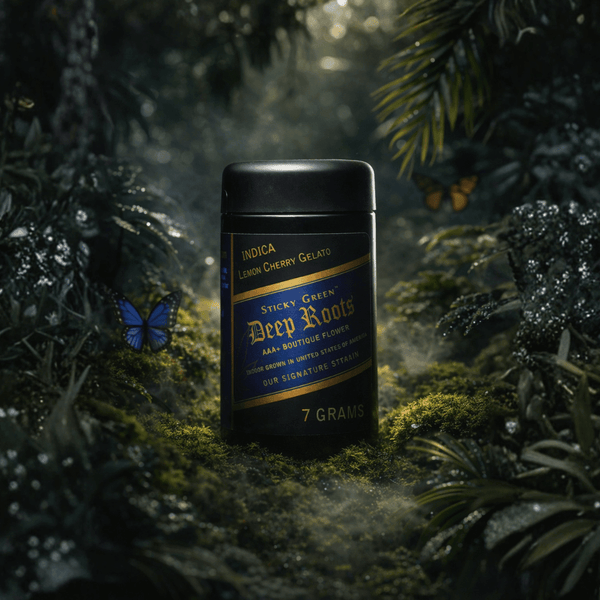
In this guide, we’ll explore the steps and science behind THCA flower production, offering insight into why it has gained increasing attention among consumers interested in cannabinoids while avoiding the typical intoxicating effects associated with heated cannabis products, including premium selections like Sticky Green THCA Flower.
What Is THCA? And What Is THCA Flower?
Tetrahydrocannabinolic acid (THCA) is a naturally occurring cannabinoid present in fresh cannabis plants. It is considered the precursor compound to THC, which is the element commonly linked to the intoxicating effects of cannabis. When THCA is exposed to heat, it goes through a transformation known as decarboxylation, where it gradually converts into THC.
Understanding the difference between THC and THCA is important for individuals exploring cannabis products. THC is typically associated with psychoactive effects, while THCA remains non-intoxicating in its natural form. Because of this distinction, some consumers prefer products containing THCA when they want to interact with cannabinoids without experiencing the typical high linked to THC.
THCA flower refers to cannabis buds that naturally contain high levels of THCA and have not been exposed to the heat required for conversion into THC. These flowers are kept in their raw state so the cannabinoid remains unchanged.

Many people use THCA flower in different ways, such as incorporating raw cannabis into juices, preparing tinctures, or creating other non-heated cannabis preparations. Maintaining the THCA content in its original form is key for individuals who prefer cannabis products that do not produce intoxicating effects.
Recognizing the difference between THCA and THC helps consumers select cannabis products that align with their personal preferences and intended use, allowing them to make more informed decisions when exploring cannabinoid-based products.
How Is THCA Flower Made? A Step-by-Step Overview
THCA flower, sometimes referred to as THCA bud, comes from cannabis plants that naturally contain high levels of tetrahydrocannabinolic acid (THCA). This compound exists in the plant before it converts into THC. Unlike THC, THCA does not produce intoxicating effects unless it is exposed to heat and undergoes a chemical change called decarboxylation, which typically occurs during activities like smoking, vaping, or cooking.
To produce THCA flower with strong cannabinoid levels, growers follow specific cultivation and harvesting practices. Each stage of the process—from genetics to storage—plays an important role in preserving the natural THCA content.
Below is a simplified breakdown of how THCA flower is produced.
Step 1: Choosing the Right Cannabis Strain
The process begins with selecting cannabis strains that are naturally capable of producing higher THCA levels. Growers prioritize genetics that consistently develop strong THCA concentrations while keeping THC levels relatively low.
Different varieties—including certain Sativa, Indica, and hybrid strains—are commonly used because they have been cultivated over time to enhance THCA production.
Key considerations during this stage include:
- Genetic traits: Selecting plant genetics known for naturally high THCA levels.
- Laboratory verification: Testing strains to confirm their cannabinoid profiles before large-scale cultivation.
Step 2: Cultivation and Growing Conditions
Once the appropriate strain is selected, the next phase focuses on cultivating the plants under carefully controlled conditions. Maintaining the right environment is essential for healthy growth and strong cannabinoid development.
Several factors must be managed during cultivation:
- Lighting: Cannabis plants require sufficient light, either from natural sunlight or indoor grow lighting systems.
- Nutrients: Balanced fertilization helps support plant development and cannabinoid formation.
- Watering: Consistent hydration is necessary, but overwatering must be avoided to prevent root problems.
- Climate management: Proper temperature and humidity levels are maintained, particularly in indoor growing environments.
Step 3: Monitoring Plant Development
Throughout the growing cycle, cultivators regularly evaluate plant health to ensure optimal cannabinoid production. Continuous observation helps identify any issues that could affect the final quality of the flower.
Common monitoring practices include:
- Pest management: Using natural pest control methods to avoid contamination.
- Disease prevention: Protecting plants from mold, mildew, and other crop-damaging conditions.
- Routine testing: Sending plant samples to laboratories to track THCA levels and adjust growing techniques if needed.
Step 4: Harvesting at the Ideal Stage
Timing the harvest correctly is critical for preserving the highest possible THCA content. If the plants are harvested too early, cannabinoid levels may not be fully developed. Harvesting too late may allow some THCA to naturally convert into THC.
Growers often determine the right moment by examining trichomes, the tiny resin glands found on cannabis flowers.
Important indicators include:
- Trichome appearance: Clear or cloudy trichomes generally suggest strong THCA presence.
- Harvest timing: Most growers harvest when the majority of trichomes appear milky or cloudy.
Step 5: Drying and Curing the Flower
After harvesting, the cannabis plants go through drying and curing processes that help maintain the quality of cannabinoids and aromatic compounds.
- Drying: Harvested branches are typically hung in a temperature-controlled space and allowed to dry slowly. This stage often takes around one to two weeks.
- Curing: Once dried, the buds are stored in sealed containers that are opened periodically to allow fresh air exchange and prevent moisture buildup.
These steps improve the stability and overall quality of the finished flower.
Step 6: Proper Storage
The final stage involves storing THCA flower in conditions that help maintain its original cannabinoid profile.
Proper storage methods usually include:
- Airtight containers: Limiting exposure to oxygen helps protect cannabinoids from degradation.
- Cool and dark environments: Heat and light can accelerate the natural conversion of THCA into THC, so controlled storage conditions are important.
When handled and stored correctly, THCA flower can retain its natural characteristics and cannabinoid profile for an extended period.
Is THCA Flower Legal?
The legal status of THCA flower largely depends on the cannabis regulations in a particular region. Although THCA itself is not intoxicating, its legal classification can be complicated because it is the precursor compound to THC, which is known for its psychoactive effects.
THCA can convert into THC through decarboxylation, a natural chemical process that occurs when the compound is exposed to heat or gradually over time. Because of this potential conversion, regulators often treat THCA similarly to THC in many legal frameworks.
In places where cannabis is permitted for medical or recreational purposes, THCA flower is generally allowed under regulated systems. These regulations may permit the cultivation, distribution, and possession of cannabis products that naturally contain THCA, provided they comply with the local laws and licensing requirements.

On the other hand, in regions where cannabis remains prohibited, products derived from the cannabis plant—including THCA flower—are usually restricted as well. Jurisdictions with strict cannabis laws typically include THCA-containing products within broader cannabis prohibitions.
In the United States, the 2018 Farm Bill introduced an important reference point for hemp regulations. Under this legislation, hemp is defined as cannabis containing less than 0.3% THC on a dry weight basis. While the bill clearly addresses hemp-derived compounds like CBD, the situation for THCA can be less straightforward due to its ability to convert into THC. As a result, the interpretation and enforcement of THCA-related products may vary depending on how regulators view potential THC conversion.
Because laws differ widely between regions and can change over time, individuals interested in THCA products often review the regulations in their specific location before purchasing or using them.
Genetic Foundations: The Basis of THCA Flower Production
Producing THCA-rich flower begins with the genetic characteristics of the cannabis plant. Some strains naturally produce higher levels of THCA, making genetic selection a key step for cultivators who want to grow flowers with strong THCA content.
Through modern breeding techniques and laboratory testing, growers can identify plant varieties that are more likely to produce consistent cannabinoid profiles. By selecting the right genetics, cultivators can encourage plants that naturally develop higher THCA concentrations while keeping THC levels relatively low.
Important factors involved in this process include:
- Strain selection: Choosing cannabis varieties that naturally generate elevated THCA levels.
- Genetic stability: Maintaining consistent plant genetics to achieve predictable growth and cannabinoid output.
- Selective breeding: Combining desirable plant traits to strengthen THCA production and overall plant performance.
- Ongoing genetic research: Studying cannabinoid development pathways to better understand how different compounds are formed.
- Laboratory collaboration: Partnering with testing labs to verify the genetic profile and cannabinoid potential of selected strains.
By focusing on strong genetics and careful breeding strategies, cultivators can develop cannabis plants that reliably produce THCA-rich flower.
THCA Flower vs THC Flower
When comparing THC vs THCA, the key differences lie in their chemical form, user experience, and how they are regulated in various regions. Although both originate from the same cannabis plant, the way their compounds exist within the plant leads to different characteristics and uses.
THCA flower contains tetrahydrocannabinolic acid, which is the natural form found in raw cannabis. THC flower, on the other hand, contains tetrahydrocannabinol, which is the compound created when THCA is exposed to heat and converted through decarboxylation.
Because of this transformation process, the two types of flower can provide different experiences for consumers. Some individuals prefer THCA flower because it remains in its raw state, while others gravitate toward THC flower for its more traditional cannabis experience.
The points below outline some of the primary differences between the two:
- Psychoactivity: THCA flower does not produce intoxicating effects unless it is heated and converted into THC, while THC flower already contains the psychoactive compound.
- Legal status: THCA products may fall under different regulations in certain areas, whereas THC products are often more strictly controlled.
- Typical use: THCA flower is often chosen by people looking for cannabis in its natural, unheated form, while THC flower is commonly used in settings where psychoactive effects are desired.
- Consumer interest: Interest in THCA flower has been growing as more people explore non-intoxicating cannabinoid options. Meanwhile, THC flower continues to be widely used in traditional cannabis markets.
- Market availability: THCA flower may appear in markets where hemp-related products are permitted, while THC flower is typically available in regions where marijuana laws allow it.
Comparison Table THCA Flower vs THC Flower
| Aspect | THCA Flower | THC Flower |
|---|---|---|
| Psychoactivity | Non-psychoactive in its raw form | Psychoactive |
| Legal Status | Often subject to different regulations depending on THC limits | Typically more tightly regulated |
| Usage | Used in raw or unheated cannabis preparations | Commonly used in traditional cannabis consumption |
| Consumer Demand | Increasing interest | Consistently high demand |
| Availability | Hemp-related or emerging cannabis markets | Legal marijuana markets |
Is THCA Flower Safe?
The safety of THCA flower, like other cannabis products, depends largely on how the plant is cultivated, handled, and used. In its natural form, THCA is a non-intoxicating compound found in raw cannabis. Researchers have explored this cannabinoid for several potential properties, including anti-inflammatory and neuroprotective characteristics.
However, the overall safety of THCA flower is influenced more by the quality of cultivation and processing rather than the compound itself. During the growing phase, substances such as pesticides, herbicides, or fungicides may sometimes be used to protect the crop. If plants are not properly managed or thoroughly cleaned during production, traces of these substances could remain on the finished flower.

Another factor to consider is the drying and curing process. If cannabis is not dried and stored correctly, moisture can create conditions that allow mold or bacteria to develop, which may affect the quality and safety of the product.
Because of these possibilities, many consumers prefer purchasing THCA flower from sources that provide laboratory testing results. Independent testing can verify that the product has been screened for contaminants and meets quality standards.
It is also important to understand that although THCA itself does not produce intoxicating effects, it can convert into THC when exposed to heat, such as during smoking or vaporizing. Being aware of this transformation helps consumers better understand how different methods of use may influence the experience.
The Journey of THCA Flower: From Planting to Market
The production of THCA flower begins with selecting seeds or clones that carry genetics known for producing higher THCA levels. Once planted, these seeds enter the germination stage where young plants need proper soil, light, and watering to grow effectively. This early growth period may last several weeks depending on the strain and cultivation conditions.
As the plant develops, growers adjust nutrients and lighting schedules to support healthy flowering. During the flowering phase, cannabis plants form buds where THCA is naturally produced and stored inside trichomes. Growers closely watch the trichomes to determine the ideal harvest time so the THCA levels remain at their peak.
After harvesting, the flowers go through drying and curing stages. These processes improve the aroma and overall quality while allowing unwanted compounds to break down naturally. Once finished, the buds are packaged and often lab-tested to confirm cannabinoid levels and ensure they meet safety and regulatory standards before being sold.
How to Identify High-Quality THCA Flower
Several factors help determine whether THCA flower is of good quality. One of the first things to check is the appearance. Premium buds typically have vibrant colors, proper trimming, and a visible coating of trichomes that gives them a frosty look.
The smell of the flower is another key indicator. A strong and pleasant aroma often suggests a rich terpene profile, which contributes to the overall character of the flower.

Texture also matters when evaluating quality. Properly cured buds usually feel slightly sticky and soft. If the flower feels extremely dry or crumbly, it may indicate poor storage or degradation.
Lastly, lab reports provide important details about cannabinoid levels, including THCA percentages. These reports also verify that the flower has been checked for contaminants such as pesticides, heavy metals, or mold.
Tips for Cultivating THCA-Rich Cannabis
Growing THCA flower can be done by both experienced cultivators and beginners who understand the basics of cannabis cultivation. Proper genetics, environmental control, and plant care all contribute to successful growth.
Here are a few expert tips for cultivating THCA-rich plants:
- Temperature control: Keep temperatures moderate to slow the natural conversion of THCA into THC.
- Harvest timing: Collect plants when THCA levels are highest, before they begin converting.
- Manage light exposure: Limiting strong UV exposure can help maintain THCA stability.
- Careful handling: Store harvested buds in cool and dark conditions to preserve cannabinoids.
- Frequent testing: Checking cannabinoid levels during cultivation helps ensure optimal THCA production.
Conclusion
In conclusion, producing high-quality THCA flower is a careful, detail-driven process that begins with selecting strong genetics and continues through precise cultivation, harvesting, drying, and curing. Each stage is designed to preserve tetrahydrocannabinolic acid in its natural form while protecting the plant’s full cannabinoid and terpene profile.
The same commitment to precision applies to other hemp-derived offerings, including CBD products. From cultivation to extraction and testing, maintaining cannabinoid stability, purity, and accurate labeling ensures consumers receive safe, consistent, and reliable options across both THCA flower and CBD formulations.
From farm to shelf, thoughtful packaging, storage, and quality control safeguard freshness and potency. When handled correctly, both THCA flower and CBD products reflect expert cultivation practices and a strong commitment to transparency, safety, and overall product excellence.
FAQs
How is THCA different from THC?
THCA is the natural compound present in raw cannabis. It does not produce intoxicating effects unless it is exposed to heat, which converts it into THC.
Can THCA flower be used in cooking?
Yes, THCA flower can be incorporated into certain recipes. When heat is applied during cooking, the compound may convert into THC.
Is it allowed to travel with THCA flower?
The rules depend on local cannabis laws. It is important to review the regulations of both the departure and destination locations before traveling with cannabis products.
What is the best way to store THCA flower?
Keeping the flower in an airtight container placed in a cool and dark environment helps maintain its quality and cannabinoid stability.
Is THCA being studied for potential properties?
Researchers have explored THCA in various studies, including investigations into anti-inflammatory and neuroprotective characteristics.
How can I recognize high-quality THCA flower?
Well-trimmed buds, vibrant coloration, noticeable trichomes, and a strong natural aroma are often indicators of good-quality flower.
Written by