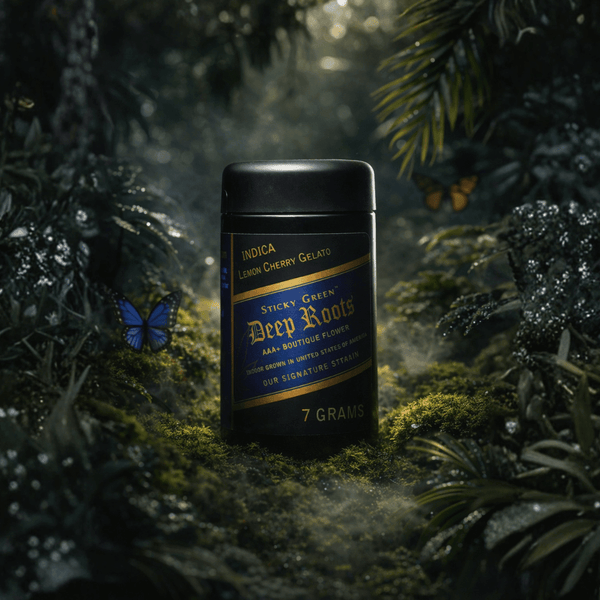
Hemp-Based Wellness Products Continue to Gain Popularity Among Everyday Americans
Hemp wellness products are gaining popularity across America. Discover why consumers are choosing plant-based hemp alternatives for everyday wellness.

Hemp wellness products are gaining popularity across America. Discover why consumers are choosing plant-based hemp alternatives for everyday wellness.
A Growing Shift Toward Plant-Based Wellness in America
Across the United States, consumer preferences are evolving. More Americans are reading labels, researching ingredients, and looking for products that align with their personal values, whether those values center around natural sourcing, transparency, sustainability, or supporting domestic businesses.
One category experiencing steady growth is hemp-based wellness products.
What was once misunderstood or overlooked has now entered the mainstream conversation. Hemp-derived oils, topicals, capsules, and nutritional products are increasingly found in wellness stores, specialty retailers, and online marketplaces across the country.

This growth is not driven by controversy — it is driven by consumer education, regulatory clarity, and expanding product quality standards.
The American hemp wellness sector reflects a broader trend: people want plant-based options that fit into modern lifestyles.
Why Hemp Wellness Products Are Gaining Mainstream Acceptance
The rise of hemp-based wellness products did not happen overnight. It has been supported by several key factors that signal long-term market sustainability.
1. Federal Legalization Created Stability
The passage of the Agriculture Improvement Act of 2018 (2018 Farm Bill) federally legalized hemp containing less than 0.3% THC, separating it legally from marijuana. This provided a structured regulatory framework and opened the door for interstate commerce.
Regulatory clarity helped normalize hemp as an agricultural commodity rather than a misunderstood plant category.
With USDA oversight and state-approved production programs in place, consumers gained confidence in the legitimacy of hemp-derived products.
2. Increased Consumer Education
Modern consumers are highly informed. Online research, educational content, and peer-reviewed publications have contributed to a better understanding of hemp.
Databases such as the National Library of Medicine (NLM) index numerous studies examining hemp plant compounds, agricultural performance, and plant-based product applications. While research continues to evolve, scholarly interest reinforces legitimacy and long-term development.
As understanding grows, stigma declines.
Education builds markets.
3. Growing Interest in Natural Alternatives
The broader wellness industry has seen increased interest in:
- Botanical ingredients
- Clean-label products
- Plant-derived supplements
- Transparent sourcing
Hemp fits naturally within this movement. Consumers seeking plant-based wellness options often view hemp as part of a holistic lifestyle.
Importantly, hemp-based wellness products are typically marketed as non-intoxicating and compliant with federal THC limits, reinforcing consumer trust.
Types of Hemp-Based Wellness Products Available Today
One of the strongest indicators of long-term market sustainability is product diversity, and the hemp wellness category continues to expand across multiple consumer segments.
Rather than being limited to one format or use case, hemp-based products now appear in oils, capsules, topical applications, nutritional foods, and even pet-focused options. This versatility has helped hemp transition from a niche market into a mainstream wellness category.
Here’s a closer look at the most popular types of hemp-based wellness products available today.
Hemp Oils and Extracts
Hemp-derived oils remain one of the most widely recognized products in the wellness space. Typically formulated for sublingual or oral use, these plant-based oils are valued for their simplicity and flexibility within everyday routines.
Consumers often appreciate hemp oils because they:
- Are easy to incorporate into daily habits
- Offer adjustable serving sizes
- Emphasize clean-label ingredient profiles
- Highlight domestically sourced hemp
Premium brands prioritize transparency through third-party testing and clearly labeled cannabinoid content.
As education expands and labeling standards improve, hemp oils continue to anchor the category’s growth.

Topical Applications
Hemp-infused topicals have also gained strong traction among consumers seeking plant-based body care options.
These include:
- Creams
- Balms
- Lotions
- Roll-ons
- Salves
Topical hemp products are commonly incorporated into skincare and recovery-focused routines. Because they are applied externally, they offer a format that feels familiar to consumers already accustomed to lotions and creams.
The popularity of hemp topicals reflects a broader shift toward botanical ingredients in personal care.
If you’re browsing options, Sticky Green’s hemp-infused topicals collection highlights plant-based body care products designed with transparency and quality in mind.
As the clean beauty and natural skincare movements continue to grow, hemp topicals remain well-positioned within this expanding category.
Capsules and Softgels
For consumers who prioritize convenience and consistency, capsules and softgels provide a streamlined option.
Encapsulated hemp supplements offer:
- Pre-measured servings
- Portability
- Discreet use
- Longer shelf stability
This format appeals to individuals who prefer integrating wellness products into structured daily supplement routines. Because capsules allow standardized formulations, they often attract consumers who value precision and consistency.
Brands like Sticky Green continue to expand access to hemp wellness gummies that align with modern expectations around quality assurance and lab transparency.
As the supplement industry continues evolving, capsule-based hemp products remain a steady growth segment.
Hemp Seed Products
It’s important to distinguish between hemp extracts and hemp seed products.
Unlike extracts derived from the flower, hemp seeds are primarily valued for their nutritional composition. They contain naturally occurring proteins, essential fatty acids, and fiber, making them a popular ingredient in functional foods.
Hemp seed products commonly include:
- Protein powders
- Snack bars
- Granola blends
- Culinary oils
- Smoothie additives
As plant-based nutrition gains popularity in the United States, hemp seeds have earned recognition as a versatile superfood ingredient.

Consumers interested in plant-forward diets often seek hemp seed-based options as part of a balanced nutritional lifestyle.
Pet Wellness Products
Another fast-growing segment within the hemp category is pet-focused wellness products.
Many American consumers apply the same ingredient standards to pet products as they do to their own purchases. As a result, hemp-based pet formulations have emerged in:
- Chews
- Oils
- Treats
This expansion reflects growing trust in hemp-derived ingredients across multiple consumer categories.
As the pet wellness industry grows, hemp continues to gain mainstream visibility.
Why Product Diversity Supports Long-Term Growth
The wide range of hemp wellness product formats strengthens the entire industry.
Rather than relying on a single product type, the market supports:
- Multiple consumer preferences
- Different lifestyle routines
- Various price points
- Cross-category integration
This diversification makes the hemp wellness category more resilient and adaptable.
From oils and capsules to topicals and nutritional products, hemp-based wellness solutions now serve a broad spectrum of American consumers.
As quality standards continue rising and transparency becomes the norm, product innovation will likely expand even further.
Comparing Hemp Wellness Products to Traditional Wellness Categories
To understand why hemp-based products are gaining traction, it helps to compare them to traditional wellness categories.
|
Factor |
Hemp-Based Wellness |
Synthetic Supplements |
Herbal Botanicals |
|
Plant-Derived |
Yes |
Not always |
Yes |
|
Consumer Trend |
Rapidly Growing |
Stable |
Stable |
|
Clean-Label Appeal |
Strong |
Moderate |
Strong |
|
Regulatory Structure |
USDA + State Oversight |
FDA Regulated |
Varies |
|
Product Diversity |
Oils, topicals, capsules, foods |
Capsules, tablets |
Teas, extracts |
|
Domestic Farming Potential |
High |
Low |
Moderate |
The appeal of hemp-based wellness products lies in their combination of plant origin, regulatory clarity, and strong domestic agricultural backing.
The Role of American Agriculture in Product Quality
One of the most compelling aspects of the hemp wellness movement is its connection to American farming.
Domestic hemp production supports:
-
Quality oversight
-
Transparent supply chains
-
Third-party testing standards
-
Reduced reliance on imports
Consumers increasingly prefer products grown and manufactured within the United States.
American-grown hemp allows brands to emphasize:
-
Farm-to-product traceability
-
Compliance with federal THC standards
-
State-level cultivation licensing
This transparency contributes significantly to consumer trust.
Quality Standards Are Elevating the Industry
As demand grows, so do expectations.
Reputable hemp wellness brands typically prioritize:
-
Third-party lab testing
-
Certificates of analysis (COAs)
-
Clear ingredient labeling
-
Responsible marketing claims
Industry maturation is a positive signal. Consumers now expect professionalism — and the brands that meet those expectations are helping strengthen the entire sector.
Quality differentiation is transforming hemp wellness from an emerging niche into an established market category.
Economic Impact of the Hemp Wellness Market
The economic footprint of hemp wellness extends beyond retail sales.
It supports:
-
Farmers
-
Extraction facilities
-
Manufacturing operations
-
Distribution networks
-
E-commerce platforms
-
Retail storefronts
Each layer of the supply chain generates American jobs and economic activity.
In rural communities, hemp cultivation provides additional revenue streams. In urban centers, wellness-focused startups build direct-to-consumer brands around hemp-derived products.
The multiplier effect is significant.
When consumers purchase hemp wellness products, they are participating in a domestic economic ecosystem.
Research and Ongoing Development
The hemp plant continues to be studied for its agricultural properties and plant-based compounds.

Peer-reviewed journals indexed by the National Library of Medicine include research related to:
-
Cannabinoid plant compounds
-
Hemp seed nutrition
-
Agricultural genetics
-
Plant extraction methods
While the wellness market focuses on consumer products, academic institutions contribute foundational research that supports industry standards.
Research-driven industries tend to mature responsibly.
Addressing Common Consumer Questions
Mainstream acceptance grows when transparency increases.
Consumers often ask:
-
Is hemp intoxicating?
-
Is it federally legal?
-
How is it tested?
-
Where is it sourced?
Clear answers and responsible education build confidence.
Hemp wellness products derived from federally compliant hemp (≤0.3% THC) are non-intoxicating. Reputable brands provide lab testing to verify compliance and purity.
Clarity replaces confusion — and clarity fuels growth.
Why the Trend Shows Long-Term Potential
Unlike fleeting wellness fads, hemp’s growth is supported by:
-
Federal legalization
-
Domestic agriculture integration
-
Expanding product diversity
-
Increasing consumer education
-
Structured regulatory oversight
These foundational pillars suggest sustainability rather than short-term hype.
Additionally, plant-based consumer trends show no sign of slowing. As Americans continue prioritizing ingredient transparency and natural sourcing, hemp remains well-positioned within broader wellness movements.
Frequently Asked Questions About Hemp Wellness Products
Are hemp wellness products legal in the United States?
Yes. Hemp-derived products containing no more than 0.3% THC are federally legal under the 2018 Farm Bill, provided they are produced under approved programs.
Do hemp products cause intoxication?
No. Federally compliant hemp products contain non-intoxicating levels of THC and do not produce a “high.”
How are hemp wellness products tested?
Reputable companies use third-party laboratory testing to verify cannabinoid content, purity, and compliance with federal THC standards.
What is the difference between hemp seed oil and hemp extract?
Hemp seed oil is derived from the seeds and is valued for nutritional content. Hemp extracts are derived from other parts of the plant and may contain naturally occurring plant compounds.
Are hemp wellness products regulated?
Hemp cultivation is regulated by the USDA and state authorities. Finished products must comply with federal and state guidelines regarding THC concentration and labeling.
Why are consumers choosing hemp-based wellness options?
Many consumers prefer plant-based products, transparent sourcing, and domestically produced goods. Hemp aligns with these preferences.
The Future of Hemp Wellness in America
The rise of hemp-based wellness products reflects broader American values:
-
Innovation
-
Agricultural resilience
-
Consumer education
-
Domestic production
-
Responsible entrepreneurship
Farmers are growing it.
Entrepreneurs are developing it.
Consumers are supporting it.

The result is a maturing industry built on transparency and opportunity.
As quality standards continue to rise and research expands, hemp wellness products are likely to remain a meaningful part of the American wellness marketplace.
Looking for high-quality hemp wellness products you can trust?
Explore Sticky Green’s carefully curated selection of premium hemp products designed for today’s informed American consumer.