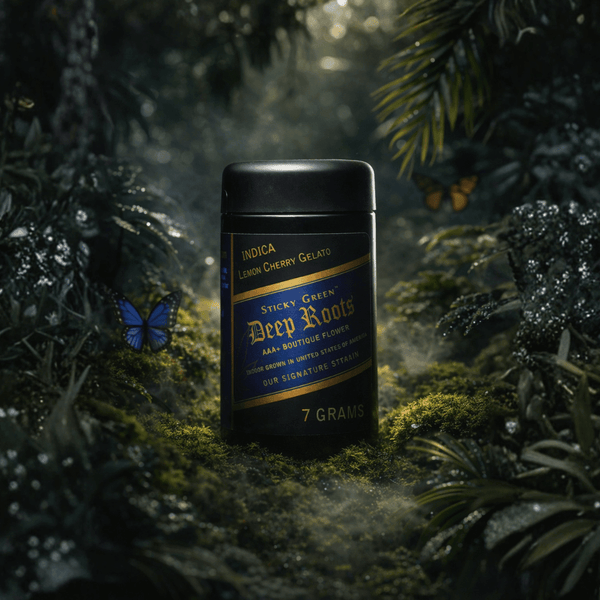
American Hemp Is Making a Comeback: How Farmers Are Reviving a Historic U.S. Crop?
Discover how the American hemp industry is driving agricultural growth, sustainability, and economic opportunity. Learn why U.S. farmers are embracing hemp.

Discover how the American hemp industry is driving agricultural growth, sustainability, and economic opportunity. Learn why U.S. farmers are embracing hemp.
A Historic American Crop Returns
For generations, American agriculture has been a symbol of independence, economic strength, and resilience. From the tobacco fields of Virginia to the wheat plains of the Midwest, farmers have shaped the nation’s economic identity.
Hemp is part of that legacy.
Long before modern debates or misconceptions, hemp was widely cultivated in early America. It was used to produce rope, canvas, textiles, and even paper. Historical records show hemp was considered a strategically valuable crop due to its durability and versatility.

Fast forward to today, and hemp is once again becoming a cornerstone of agricultural diversification.
The turning point came with the passage of the Agriculture Improvement Act of 2018 (2018 Farm Bill), which federally legalized hemp cultivation containing less than 0.3% THC. This landmark legislation removed hemp from the Controlled Substances Act and officially recognized it as an agricultural commodity.
That change unlocked opportunity for American farmers nationwide.
Today, hemp is cultivated across dozens of states under USDA oversight through the U.S. Domestic Hemp Production Program. What began as regulatory reform has quickly grown into an agricultural revival.
And importantly — this revival is rooted in economics, sustainability, and innovation — not controversy.
Why American Farmers Are Turning to Hemp
Modern American farmers are more than growers — they are entrepreneurs, risk managers, land stewards, and business strategists. Every planting season represents a calculated decision based on market trends, input costs, regulatory clarity, and long-term sustainability.
In today’s competitive agricultural environment, diversification and adaptability are essential. Hemp is gaining traction across the United States not because of hype, but because it aligns with several strategic agricultural priorities that matter deeply to American producers.
From economic resilience to soil stewardship, hemp is increasingly viewed as a practical addition to modern farm operations.
1. Agricultural Diversification
Commodity crops such as corn, soybeans, and wheat remain foundational to American agriculture. However, these crops are often subject to price volatility driven by global trade dynamics, export markets, fuel costs, supply chain disruptions, and unpredictable weather conditions.
When prices fluctuate sharply, farm margins can tighten quickly.
Hemp offers an alternative revenue stream that helps reduce dependency on a single commodity market. Rather than replacing traditional crops, many farmers incorporate hemp into their broader crop rotation strategy.
Diversification strengthens:
- Financial resilience
- Cash flow distribution
- Risk mitigation
- Long-term land utilization
For multi-generational farms, this stability is critical. Diversification is not about chasing trends — it’s about protecting livelihoods and preserving farmland for future generations.
In many states, farmers are integrating hemp alongside corn and soybeans, creating a balanced production model that reduces overreliance on any one crop.
That’s smart business..
2. Expanding Consumer Demand
Agriculture ultimately follows consumer demand. And over the past decade, American consumers have shown increasing interest in plant-based, natural, and clean-label products.
Hemp-derived products — including oils, topicals, capsules, and nutritional hemp seed products, have entered mainstream retail channels across the country. What was once considered niche is now widely available in health-focused stores and online marketplaces.

This demand is driven by several broader trends:
- Growing interest in plant-based wellness
- Increased label transparency awareness
- Preference for domestically sourced ingredients
- Support for small American businesses
Peer-reviewed publications indexed by the National Library of Medicine reflect the expanding body of research exploring hemp-derived compounds and plant science applications. While research continues to evolve, scholarly attention signals mainstream legitimacy and long-term industry development.
Importantly, farmers recognize that hemp is supported by consistent consumer curiosity — not temporary hype. The diversification of hemp-based product categories provides multiple market pathways, from wellness products to fiber and food-grade ingredients.
When consumer demand aligns with agricultural opportunity, sustainable markets can form.
3. Efficient Growing Cycle
Hemp’s relatively short growing cycle, typically between 90 and 120 days depending on the variety and region, provides farmers with flexibility.
This efficiency allows for:
- Easier seasonal planning
- Integration into existing crop rotations
- Optimized land usage
-
More adaptive harvest schedules
In regions with favorable climates, hemp can fit neatly between traditional crop cycles without disrupting long-established farming systems.
Additionally, hemp’s versatility means farmers can select different cultivars depending on market demand:
- Grain-focused varieties
- Fiber-specific varieties
-
Floral hemp varieties
This flexibility enables producers to respond to evolving market conditions while maintaining operational control.
From a farm management perspective, flexibility reduces pressure and expands opportunity.
4. Soil Health Benefits
Soil health is the foundation of American agriculture. Without proper soil management, even the most profitable crop becomes unsustainable over time.
Hemp is frequently incorporated into rotational farming systems, which are widely recognized as a best practice in sustainable agriculture. Rotating crops helps:
- Reduce pest cycles
- Improve soil structure
- Manage nutrient distribution
- Prevent long-term soil depletion
Monocropping — growing the same crop repeatedly — can place strain on soil nutrients. By rotating hemp with traditional crops, farmers can support more balanced soil ecosystems.
Healthy soil means:
- Better long-term yield stability
- Reduced erosion risk
- Improved water retention
- Greater farm sustainability
For family-owned farms that have been operating for decades — sometimes centuries — soil preservation is not optional. It’s a responsibility.
Hemp’s compatibility with regenerative agriculture practices positions it as a forward-thinking crop aligned with modern environmental expectations.
Comparing Hemp to Traditional Row Crops
To understand hemp’s appeal, it helps to examine how it compares to legacy American crops.
|
Factor |
Hemp |
Corn |
Soybeans |
|
Growing Cycle |
90–120 days |
100–150 days |
100–140 days |
|
Water Requirements |
Moderate |
High |
Moderate |
|
Pesticide Use |
Typically Lower |
Moderate–High |
Moderate |
|
Market Diversity |
Wellness, fiber, textiles, construction |
Feed, ethanol |
Feed, oil exports |
|
Crop Rotation Benefit |
Supports soil structure |
Heavy nutrient demand |
Moderate rotation benefit |
|
Consumer Trend |
Rapidly growing |
Stable |
Stable |
|
Domestic Value-Add Potential |
High (processing, extraction, retail) |
Moderate |
Moderate |
The key takeaway isn’t that hemp replaces corn or soybeans. Instead, it complements traditional farming by offering diversified market channels.
Hemp supports both agricultural and consumer-facing industries — making it uniquely positioned in today’s economy.
The Economic Impact of the U.S. Hemp Market
The American hemp industry now spans multiple verticals:
- Wellness products
- Nutritional supplements
- Natural body care
- Fiber and textiles
- Eco-friendly construction materials
- Pet wellness products
Unlike many single-output crops, hemp feeds into numerous value-added industries. That increases economic stability.
For example:
- Farmers grow hemp.
- Processors extract plant compounds or prepare fiber.
- Manufacturers create finished goods.
- Retailers distribute to consumers.
Each step generates American jobs.
Small towns are seeing processing facilities emerge, and rural communities benefit from the localized economic activity.

This is pro-growth, pro-small business expansion — without relying on controversial narratives.
Sustainability: A Modern Agricultural Advantage
Environmental responsibility is no longer optional — it’s expected.
Hemp aligns well with sustainable farming practices because:
- It grows relatively quickly.
- It integrates into crop rotation systems.
- It can be utilized almost entirely (fiber, seed, oil).
In an era where American consumers prioritize eco-conscious purchasing, sustainable agriculture becomes a competitive advantage.
Hemp-based textiles are increasingly explored as alternatives to synthetic fibers. Hemp fiber is durable and biodegradable. Meanwhile, hemp seed products contribute to plant-based nutrition trends.
Sustainability drives consumer behavior — and consumer behavior drives markets.
Innovation Is Elevating Quality Standards
Early industry growth often comes with inconsistencies. However, the American hemp market has matured rapidly.
Today’s reputable brands emphasize:
- Third-party lab testing
- Transparent sourcing
- Responsible extraction practices
- Clear labeling
Scientific literature available through resources like the National Library of Medicine database reflects ongoing research into hemp-derived compounds and plant science advancements.
Innovation is improving:
- Extraction efficiency
- Quality control systems
- Product formulation stability
- Consumer safety standards
The industry’s professionalism continues to expand.
The Role of American Consumers
Consumer demand is the engine behind hemp’s growth.
Modern shoppers are informed. They research:
- Ingredient sourcing
- Manufacturing practices
- Lab testing transparency
- Brand reputation
Choosing American-grown hemp products supports:
- U.S. farmers
- Domestic processors
- Small businesses
- Local economies
This purchasing behavior reinforces agricultural resilience.
When consumers choose trusted brands committed to transparency, they help raise industry standards across the board.
Quality Matters: The Rise of Premium Hemp Products
As markets mature, quality becomes the differentiator.
Premium hemp brands distinguish themselves through:
- Clearly documented testing protocols
- Reliable supply chains
- Responsible marketing
- Consistent formulation standards
Consumers are no longer experimenting blindly. They expect professionalism and accountability.
Brands that prioritize transparency build long-term loyalty — and long-term loyalty builds stable industry growth.
This is how industries move from emerging to established.
Hemp and American Entrepreneurship
The hemp industry is fueling entrepreneurial opportunity across the United States.
From family farms to online retailers, small businesses are entering the space with innovation-focused mindsets.
Entrepreneurs are developing:
- Clean-label wellness products
- Plant-based body care solutions
- Sustainable consumer goods
- Direct-to-consumer e-commerce platforms
The American hemp market reflects free enterprise at work — businesses competing through quality, education, and service.
As regulatory frameworks stabilize under USDA oversight, professional standards continue to strengthen.
Regulatory Stability and Consumer Confidence
One of the most important factors in hemp’s resurgence is regulatory clarity.
The 2018 Farm Bill established a clear federal definition for hemp, separating it legally from marijuana based on THC concentration.
The USDA now oversees hemp production programs, and individual states administer licensing plans under federal guidelines.
This regulatory structure provides:
- Farmer protection
- Consumer protection
- Market consistency
- Business confidence
Stable regulation supports long-term investment.
Research and Ongoing Development
Academic institutions across the United States continue to study hemp’s agricultural performance and plant characteristics.
Peer-reviewed research indexed in databases like the National Library of Medicine reflects ongoing scientific interest in cannabinoids, hemp seed nutrition, and plant genetics.

While research continues to evolve, the growth in scholarly attention demonstrates mainstream legitimacy.
Industries supported by research tend to mature responsibly.
The Bottom Line: Hemp’s Comeback Is an American Success Story
The revival of hemp in America is not about controversy — it’s about opportunity.
Farmers are diversifying income.
Entrepreneurs are building businesses.
Consumers are supporting domestic production.
Communities are benefiting from economic expansion.
The American hemp industry represents:
- Innovation
- Sustainability
- Agricultural resilience
- Small business growth
- Consumer-driven demand
As research continues, quality standards improve, and domestic production expands, hemp is solidifying its place in the future of American agriculture.

It’s a comeback rooted in economics, not politics.
In opportunity, not division.
In enterprise, not uncertainty.
And for American agriculture, that’s a positive story worth telling.
Looking for high-quality hemp products you can trust? Explore Sticky Green’s premium selection and support the continued growth of American hemp.
Frequently Asked Questions
Is hemp federally legal?
Yes. Hemp containing less than 0.3% THC was legalized federally under the 2018 Farm Bill.
Is hemp psychoactive?
No. Legally defined hemp contains non-intoxicating levels of THC.
Are American hemp products regulated?
Yes. Production operates under USDA-approved plans and state-level oversight.
Is hemp the same as marijuana?
No. Hemp and marijuana both come from the Cannabis sativa plant species, but they are legally distinct. Hemp contains no more than 0.3% THC, which is not intoxicating. Marijuana contains higher THC levels and is regulated differently under federal and state laws.
Why is hemp considered sustainable?
Hemp integrates well into crop rotation systems and can support soil health management strategies. It grows relatively quickly and has multiple industrial applications, allowing for efficient plant utilization across various sectors.
Are hemp products tested for quality?
Reputable hemp brands prioritize third-party lab testing to verify product purity, cannabinoid content, and compliance with federal THC limits. Consumers are encouraged to purchase from transparent companies that provide accessible lab repor